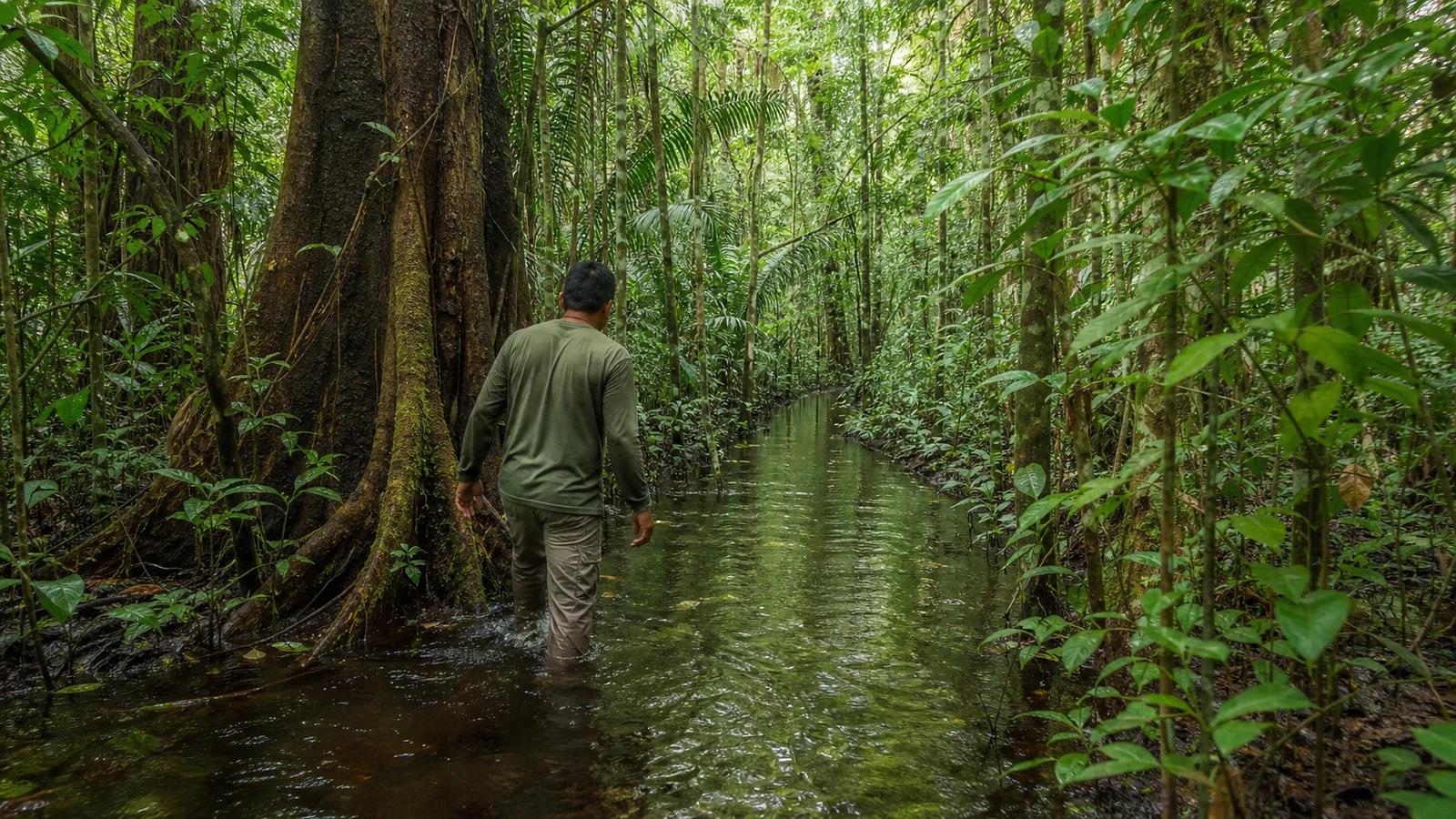
Rising water
More rain and steadily rising rivers. Excellent for boat journeys, narrow creeks and an intensely green forest.
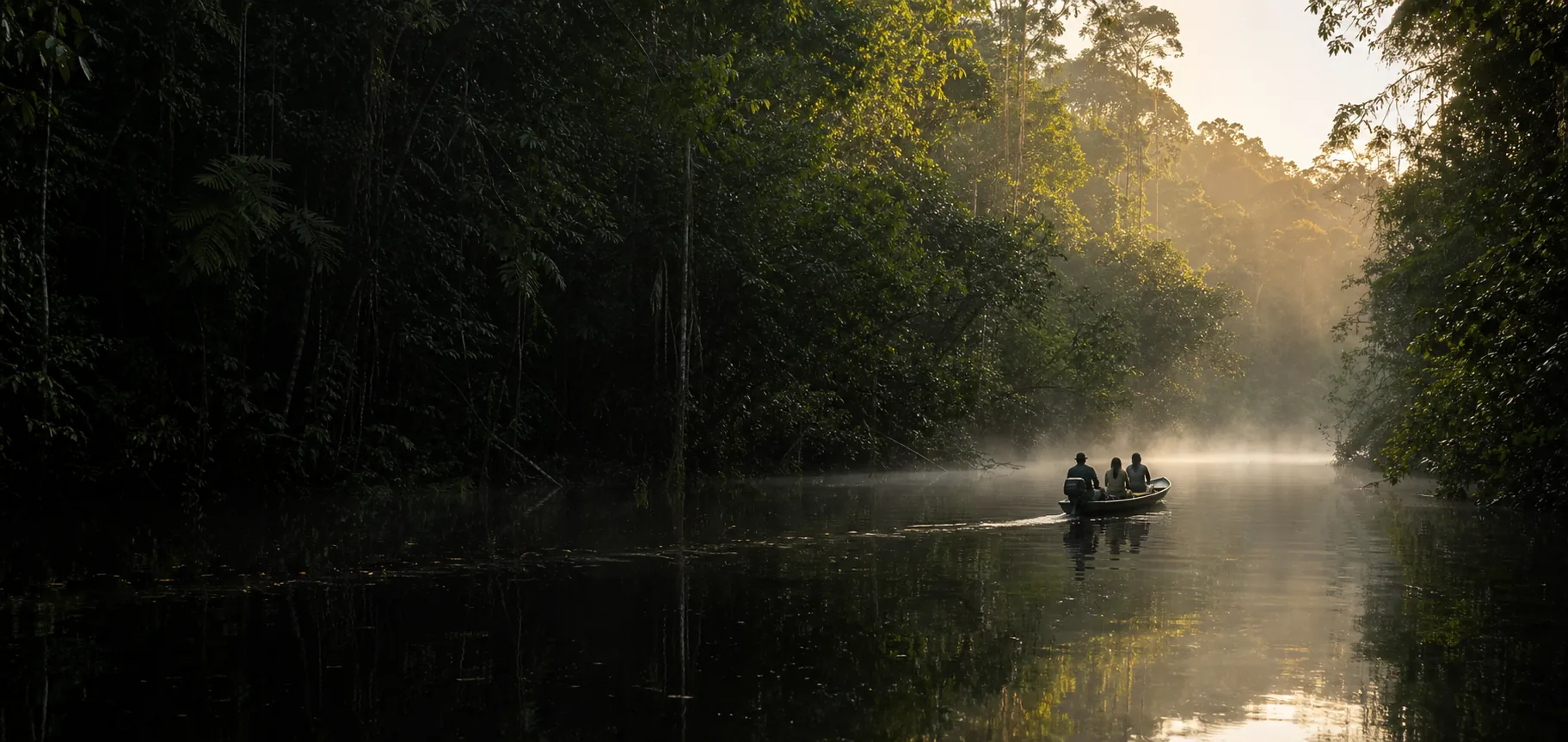
Travel guide · Brazilian Amazon
Travel in the Brazilian Amazon means entering a world shaped by water, weather and the knowledge of people who live here. This guide helps you choose the right season, pace and experience.
Before you go
Manaus is the principal gateway to the state of Amazonas. From the city, roads and rivers lead towards terra-firme forest, seasonally flooded igapó, riverside communities, simple lodges and remote protected landscapes.
A meaningful journey is not a checklist of guaranteed animals. It is a sequence of encounters: the sound before sunrise, the height of the river, a plant explained by your guide, a silent canoe and the realisation that the forest keeps its own time.
The pulse of the water
The Amazon can be visited throughout the year. The more useful question is: which landscape and activities do you want to experience?
More rain and steadily rising rivers. Excellent for boat journeys, narrow creeks and an intensely green forest.
High river levels make it possible to navigate between trees in flooded forest. The aquatic landscape is at its most expansive.
Water levels recede and trails and riverbanks gradually return, creating a versatile mix of river and land activities.
River beaches and more dry ground are exposed. This period suits hiking, forest camps and terra-firme exploration.
The forest is alive
There is no single “animal month.” Wildlife is present throughout the year, but water, rain, heat and time of day change where and how you look for it.
Early and late outings bring cooler temperatures, a richer forest soundscape and good opportunities to watch birds, monkeys and life along the river margins.
Canoes can enter flooded forest and channels between trees. Wildlife watching becomes a quiet search from the water, focused on the canopy and banks.
Beaches, trails and river margins return. Activity is redistributed around channels and remaining water sources.
Wild animals are not scheduled attractions. A good guide reads tracks, sounds and movement without chasing, touching or feeding wildlife.
Family travel
Family travel works best when the pace is shaped around the children—not the longest possible programme. Antonio can adjust duration, walking time, departure hours and canoe time before booking.
Your gateway
Eduardo Gomes International Airport (MAO) is the principal air gateway. Manaus is the place to rest, organise luggage and begin road and river transfers.
Your kind of journey
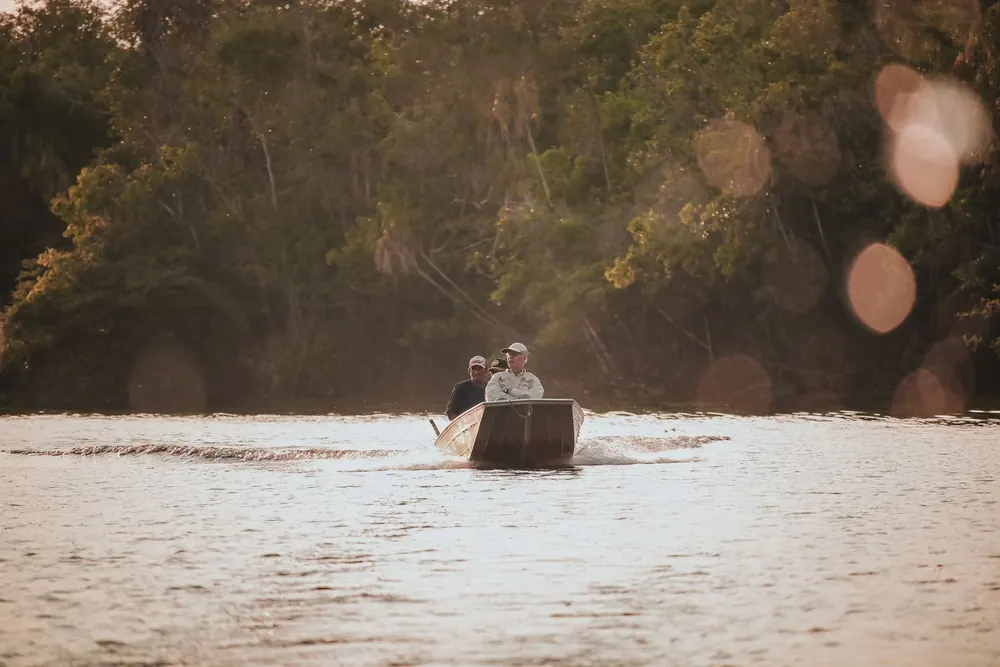
For limited time: combine forest, river travel, a local lunch and wildlife-focused activities in one complete day.
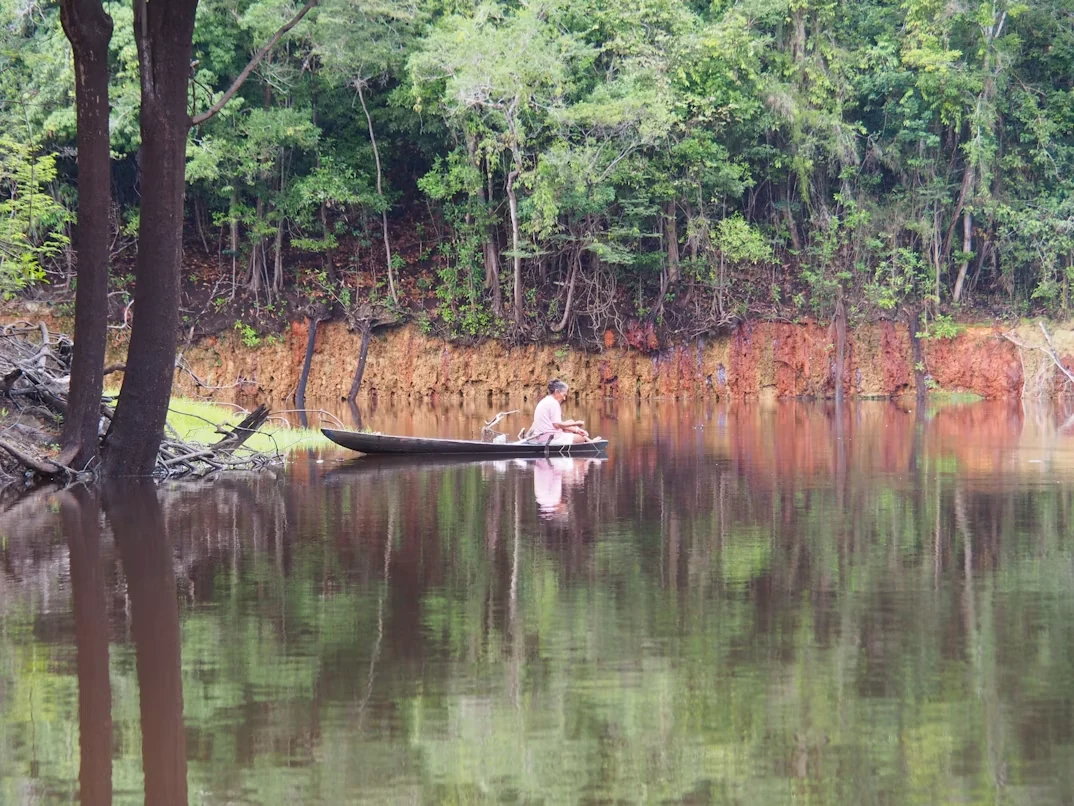
Two to four days make room for sunrises, walks, waterfalls, canoe journeys and the gentle rhythm of a lodge.
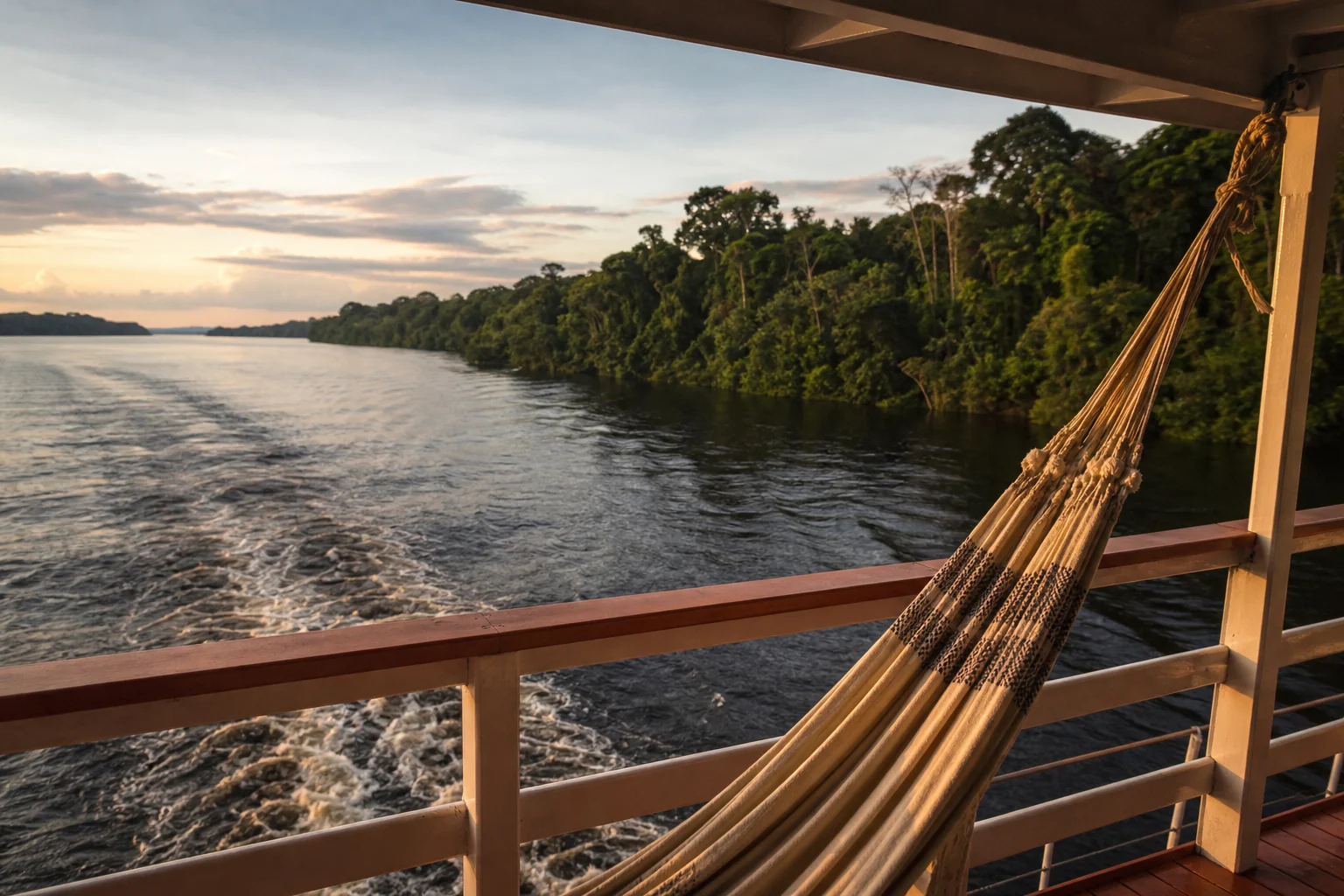
Regional cruises combine transport, accommodation and exploration—the journey itself becomes part of the experience.
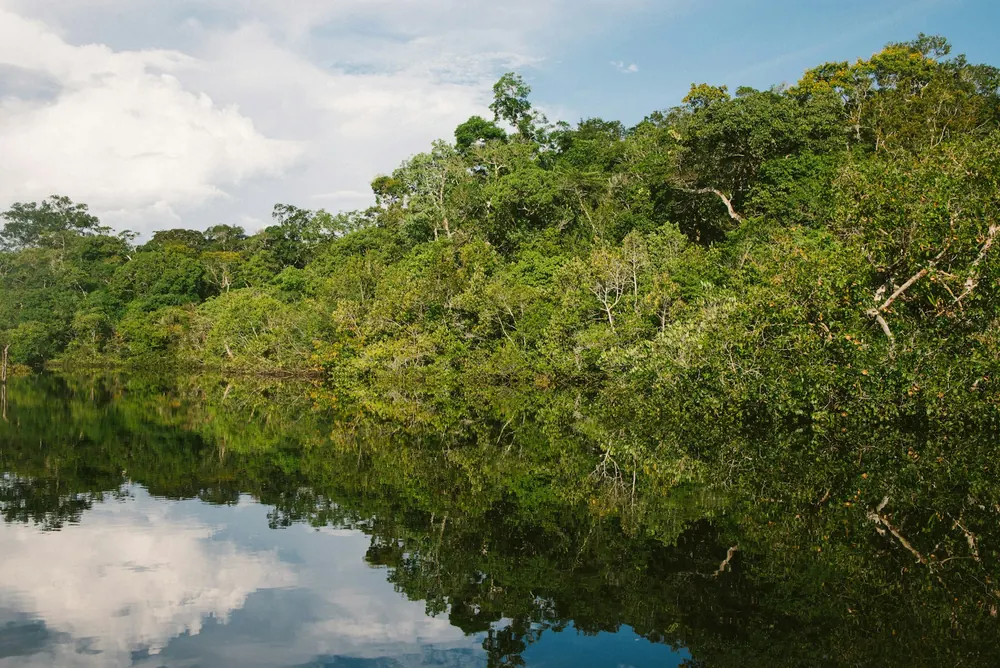
With Antonio, the survival experience teaches camp craft, fire, navigation and useful plants.
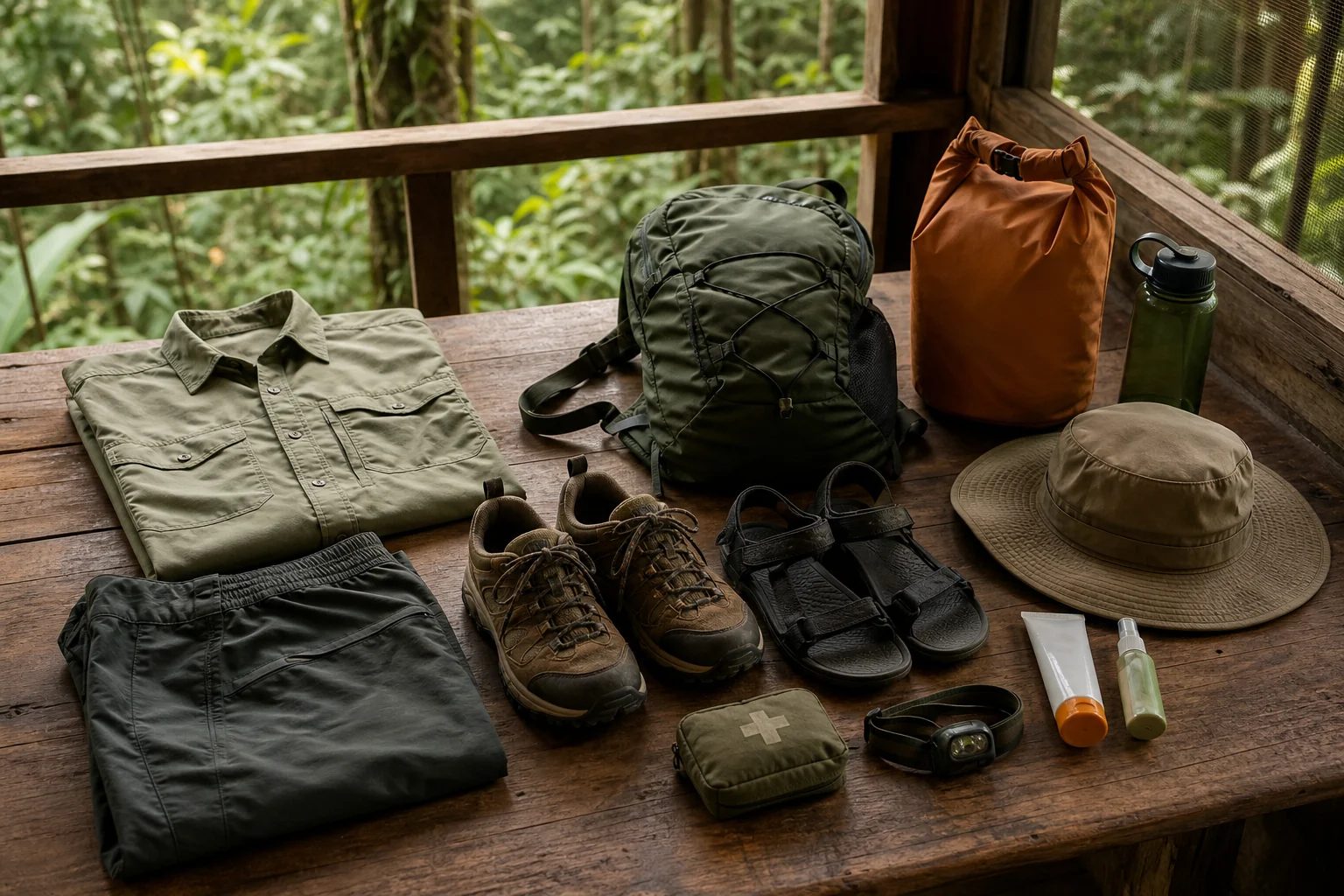
Pack intelligently
Pack lightly, but pack deliberately. A compact bag makes boat transfers easier and helps you remain comfortable in persistent heat and humidity.
Light long-sleeved shirts, quick-drying trousers, swimwear, dry sleep clothes and one light layer for evenings aboard a boat.
Broken-in closed shoes or light hiking boots, plus secure sandals for the lodge or boat. Do not debut new footwear here.
Insect repellent, sunscreen, a brimmed hat, compact rain jacket, reusable bottle and a dry bag for electronics.
Head torch, power bank, binoculars, camera, small packing bags and enough personal medication for the journey.
Prepare well
Speak with a travel-health professional well before departure. Current official guidance highlights yellow-fever vaccination and an individual assessment of malaria risk for Amazonas. Vaccination, preventive medicine and personal health decisions belong with a qualified clinician.
Check current CDC guidance ↗Good decisions
Do not separate from the group on trails, riverbanks or night observations.
Use the supplied safety equipment and closed footwear whenever requested.
Drink regularly and mention illness, allergies or physical limitations early.
Rain, wind, river levels and safety may change the order or duration of activities.
Leave a light footprint
In-depth planning
Practical guidance grounded in Antonio’s experience leading journeys in the Amazon since 2003.
Compare high water, low water, rainfall, wildlife and activities to choose the best time for your Amazon tour from Manaus.
Read the guide →02Compare one-day, 2–4 day and 6–8 day Amazon tours from Manaus and choose the right trip length for your interests and pace.
Read the guide →03A practical Amazon jungle packing list for tours from Manaus: clothing, footwear, rain protection, medication and useful equipment.
Read the guide →04Plan a private or small-group Amazon tour from Manaus with Antonio, a licensed local guide who speaks English and Portuguese.
Read the guide →Practical answers
Three or four days offers an excellent first-visit balance. One day works for tight schedules; six days or more creates time to reach genuinely remote country.
Not for every activity. Tell Antonio how comfortable you are around water so the route and safety equipment can be adjusted.
No. Wildlife is wild, and encounters depend on season, time and chance. Antonio’s experience improves the possibilities without disturbing animals.
Many journeys can be adapted for families. Age, mobility, duration and expectations should be discussed before booking.
It is sensible before early departures or when your flight arrives on the same day. A buffer protects the journey from delays and gives you time to organise luggage.
Neither is better at everything. High water opens flooded channels; low water reveals beaches, banks and more land-based routes. Choose according to the experience you want.
A personal journey
Share when you reach Manaus, how many people are travelling and what matters most to you. Antonio will suggest the journey that suits that moment in the forest.
Ask Antonio